Description
Collection only,
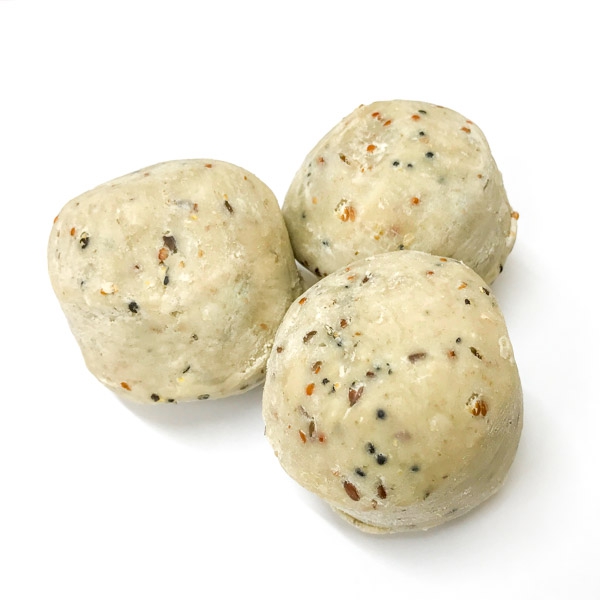
Suet Balls are high-energy, calorie-dense spheres made from solid fat blended with seeds, grains, and nuts. They are one of the most popular and efficient ways to feed wild birds in the UK, providing critical energy reserves throughout the year.
Core Ingredients
Premium UK suet balls are typically crafted using clean, natural components:
-
- The Base: High-quality beef tallow or lard which is easily metabolised by wild birds.
- Protein and Extras: Often packed with sunflower seeds, kibbled peanuts, linseed, and millet.
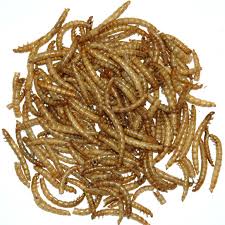
- Gourmet Additions: Premium variations are enriched with dried mealworms, calci-worms, or dried insects to mimic natural insect protein.
- Note on Fillers: Cheap fat balls often contain non-edible bulkers like calcium carbonate (chalk), sand, or sawdust. High-quality choices completely avoid these fillers.
Essential Benefits
-
- High Energy Density: Delivers vital calories that help birds maintain their core body temperature during freezing UK winters.
- Breeding Support: Provides critical fats and slow-release proteins required by adult birds during the frantic spring nesting and summer moulting seasons.
- Low Mess & No Netting: Modern suet balls are supplied net-free. Traditional plastic netting is widely discouraged in the UK as it can trap and seriously injure a bird’s tongue or feet.
Which Birds Eat Suet Balls?
Suet appeals to an incredibly wide variety of UK garden species:
-
- Hanging Feeder Visitors: Blue tits, great tits, long-tailed tits, nuthatches, siskins, and great spotted woodpeckers.
- Ground and Table Feeders: Crumbled fragments left on bird tables or the ground quickly attract robins, dunnocks, wrens, blackbirds, and thrushes.
How to Feed
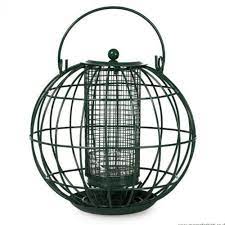
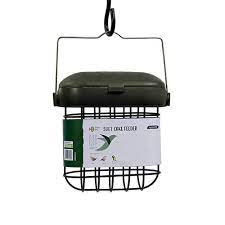
- Feeder Style: Slot them into a rigid wire-mesh suet ball feeder hung from a branch or feeding station.
- Weather Protection: In prolonged heavy rain or heat, suet can soften. Hang them in shaded areas or use a feeder with a small rain roof.
6pk – £1.59
150pk – £34.19